
Drainage Systems Built for Heavy Rainfall
Storm Drains in Jacksonville for properties experiencing standing water, erosion, or foundation exposure after storms
Excess water pooling near foundations, washing out driveways, or eroding landscape beds signals inadequate drainage capacity during North Carolina's heavy rainfall events. Precision Excavation & Grading installs storm drain systems in Jacksonville designed to move water away from structures and prevent the kind of saturation that destabilizes soil and damages hardscaping. Properly graded drain lines and catch basins redirect runoff before it accumulates in problem areas, protecting both the structure and the landscape investment surrounding it.
Storm drain installation involves calculating slope requirements, selecting inlet locations based on natural water flow patterns, and connecting underground piping to discharge points that won't create secondary erosion issues. The system must handle peak flow during sustained storms, not just light rain, which requires sizing pipes and grading surfaces to accommodate the volume typical of coastal North Carolina weather patterns.
Schedule a site evaluation to identify specific drainage concerns and determine the most effective system layout for your property's topography.
How Proper Grading and Material Selection Affect Performance
Storm drain systems rely on precise grading to maintain consistent water velocity through the pipe network—too shallow and debris clogs the line, too steep and erosion develops at discharge points. Precision Excavation & Grading uses durable corrugated pipe and solid catch basin components that withstand soil pressure and root intrusion over decades, and the grading work ensures water enters inlets at the correct angle to prevent sediment buildup that reduces capacity over time.
Once the system is operational, you'll notice water clears from paved surfaces and lawn areas within hours of rainfall instead of lingering for days, driveways stop developing washout channels along edges, and foundation perimeters remain dry even during multi-day storm events. Landscape beds retain their shape because runoff no longer carves paths through mulch and soil, and turf grows more uniformly without the stress of waterlogged roots in low spots.
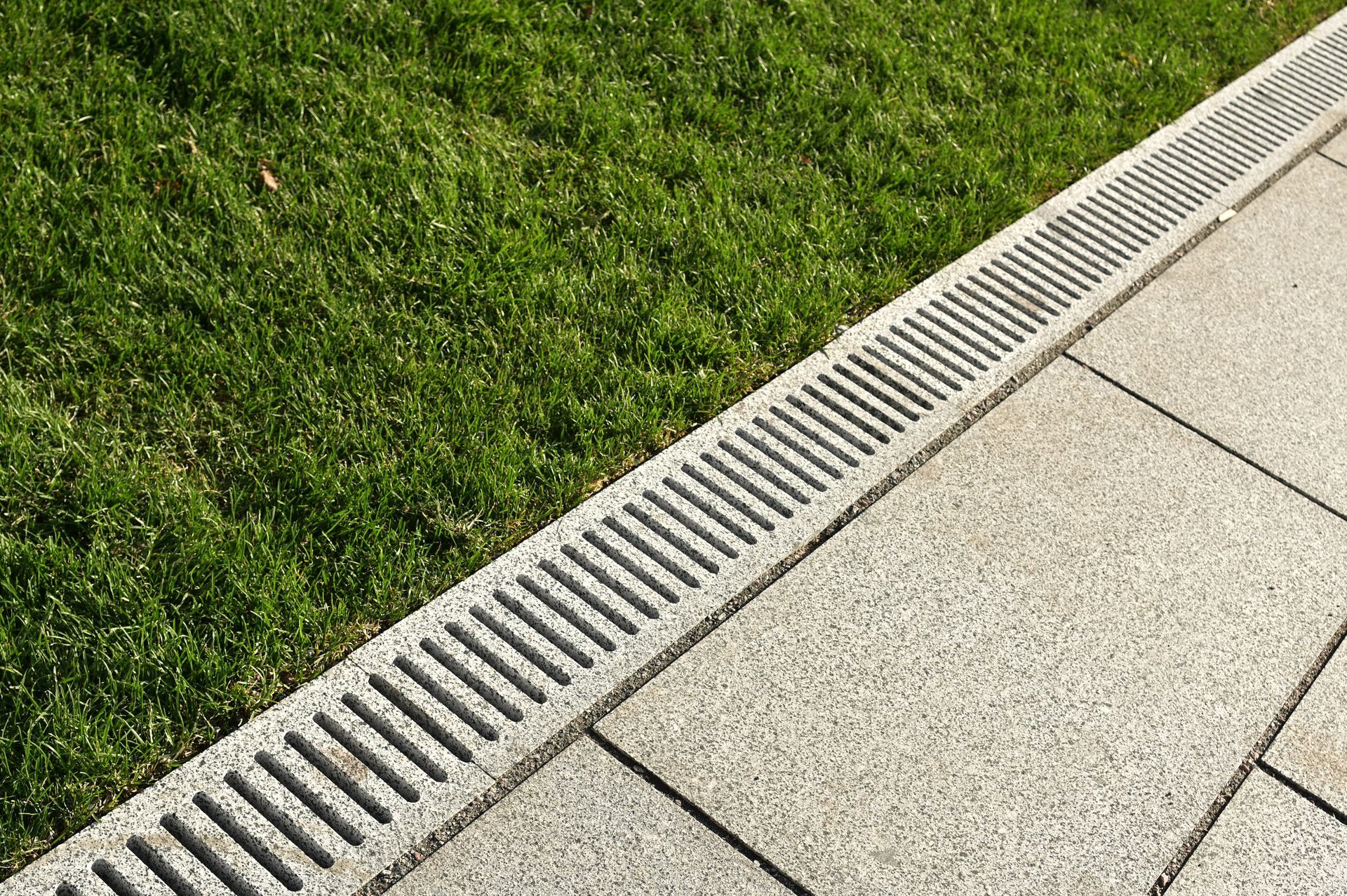
The installation also includes selecting discharge locations that won't flood neighboring properties or violate local stormwater ordinances, which in some cases means extending the line to a municipal storm system tie-in or creating a rock-lined swale that allows controlled absorption. Maintenance access points are positioned where cleanouts can be reached if sediment accumulates after years of use, though proper inlet grating reduces the debris load entering the system in the first place.
Questions Before Starting Your Project
Property owners in Jacksonville often ask about system design, installation timing, and long-term performance before committing to drainage improvements.
What determines where catch basins are positioned?
Catch basins are placed at low points where water naturally collects and along flow paths where runoff concentrates, based on site grading and observed drainage patterns during rainfall.
How does soil type affect the installation process?
Sandy coastal soils in Jacksonville drain faster but require deeper trenching to maintain stable pipe bedding, while clay-heavy areas need more aggressive grading to prevent water from pooling before it reaches inlets.
When should storm drain work be scheduled relative to other site improvements?
Storm drains are typically installed after rough grading is complete but before final landscaping or hardscaping, so the pipe network is in place and tested before surfaces are finished.
What prevents the system from clogging over time?
Grated inlets filter out leaves and large debris, and proper slope design keeps smaller sediment moving through the pipes rather than settling, though access points allow periodic flushing if buildup occurs.
How far does drainage pipe need to extend from the foundation?
Pipe should discharge at least ten feet from foundation walls and slope away from structures, with the exact distance depending on soil permeability and whether the discharge area can handle the volume without creating new erosion.
Precision Excavation & Grading evaluates drainage challenges across residential and commercial properties, providing system designs that account for storm intensity and soil conditions specific to the area. Request a drainage consultation to review your property's runoff issues and explore installation options that prevent water damage and improve usability year-round.